 bling ai
for vintage & estate sellers
give the piece the setting its history deserves.
antique and estate jewelry shot on a jeweler's cloth reads as resale. photograph the piece as it is, stage it under light worthy of its age, and let a hundred years of provenance finally show — one one-of-a-kind piece at a time.
the gap
what's between a consignment and a piece that commands its price.
every piece is a fresh shoot.
estate inventory never repeats. a hundred one-of-a-kind pieces is a hundred setups — and the jeweler's cloth on the desk makes every one of them look the same kind of flat.
the setting undersells the history.
an art deco ring shot on a gray cloth reads as secondhand, not as a piece with a hundred years behind it. the patina and provenance that justify the price never make it into the frame.
buyers judge value from the photo.
on ebay, etsy vintage, and instagram, the photo is the appraisal. a dim, flat shot invites lowballs; a photo that reads as considered gets the piece taken seriously — and priced accordingly.
before · after
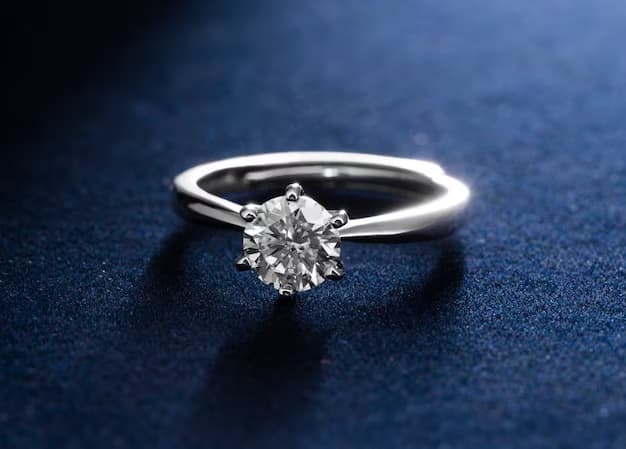
a desk photo, a setting worthy of its age.

settings with weight
three studios that read as heritage.
estate pieces want gravity, not gloss. these three stage a piece as an object with a past — match the studio to the era and the metal.
for fine estate
vault
iced velvet. auction stage.
deep velvet, museum light, the piece staged like a lot in a catalog. for the signed art deco piece or the important stone — the setting that says “this belongs at auction.”
for antique gold
patina
warm earthy. quiet luxury.
golden hour light, cream linen, oxblood silk. warm metal comes alive against warm light — the right register for victorian, edwardian, and yellow-gold estate work.
for old-cut diamonds
glacier
cold. cartier-grade.
crisp, cool, precise light that lets an old european or mine cut throw its fire. for solitaires and important stones where the sparkle is the sale.
matching light to metal and stone? see how to photograph gold jewelry.
staged, not faked
the piece stays the piece.
estate selling runs on trust — a buyer who feels a photo hid something never comes back, and the platforms police it. so this matters: bling ai changes the light and the setting, not the piece. the wear stays. the toning stays. the actual stone stays. you're staging the object, not retouching it into a different one.
that's also what makes the photo work. a considered setting signals a considered seller — someone who knows what the piece is and treats it accordingly. that read is worth real money at the listing price, and it's the opposite of the flat cloth shot that invites a lowball.
for anything material to condition — a chip, a repair, a sizing mark — keep shooting it straight, the way you always would. use the staged shot as the hero that earns the click, and your honest detail shots to close. the polish sells the piece; the detail shots keep the sale clean.
questions
estate-specific answers.
ready when you are
let the history show in the photo.
100 free credits. no card needed, and it runs right in your browser.