 bling ai
for jewelry makers
you make the piece. let us shoot it.
the craft went into the metal, not into lighting a reflective object on a white sweep. photograph your finished piece on iphone and get a studio-grade shot that finally does the work justice — no light tent, no learning curve.
the gap
what's between your bench and a photo that sells.
you're a maker, not a photographer.
the years went into the metalwork, the stone-setting, the wire. none of them went into lighting a reflective object on a white sweep — and it shows in the one place buyers actually look.
every piece is one of one.
you can't batch a shoot when nothing repeats. each handmade piece is a fresh setup, and a light tent on the kitchen table gets old by piece number three.
the photo undersells the craft.
a hand-forged piece photographed flat looks like a dropshipped one. the work that justifies your price is invisible until the photo does it justice.
before · after
a bench photo, a shot worthy of the craft.
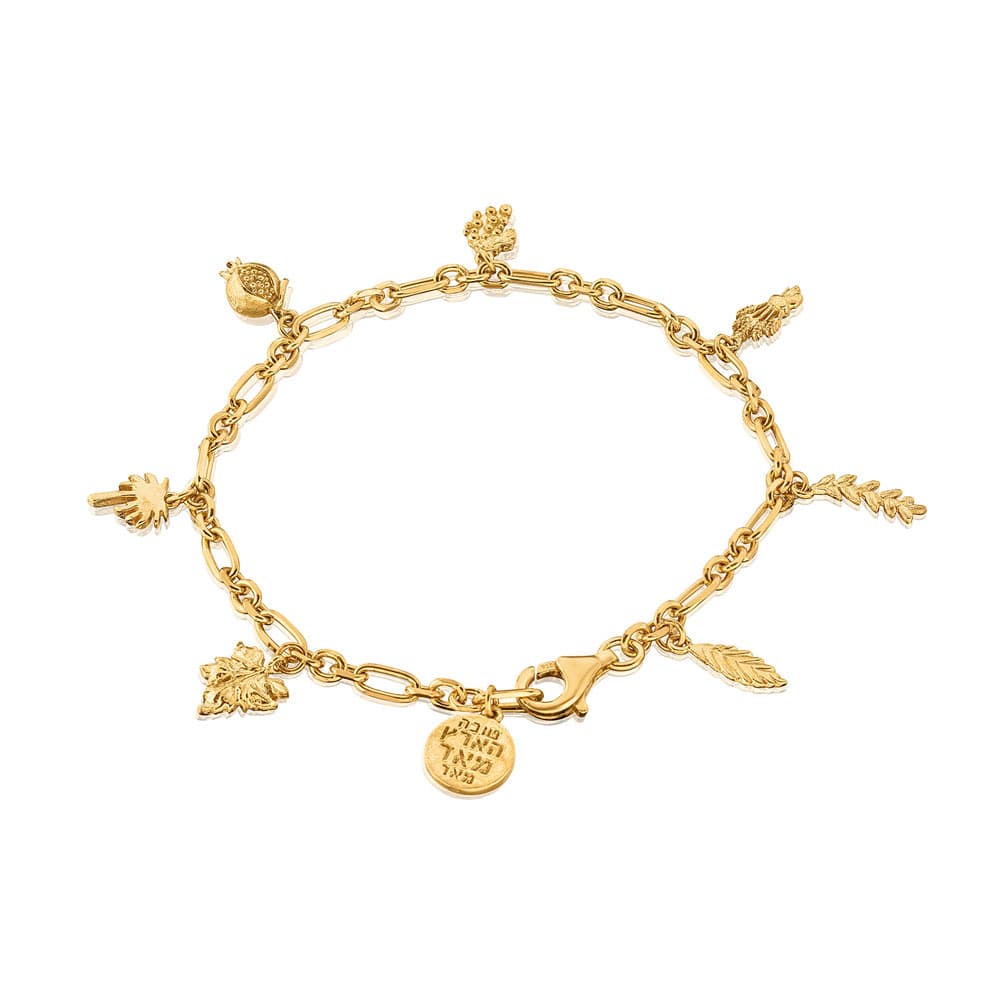
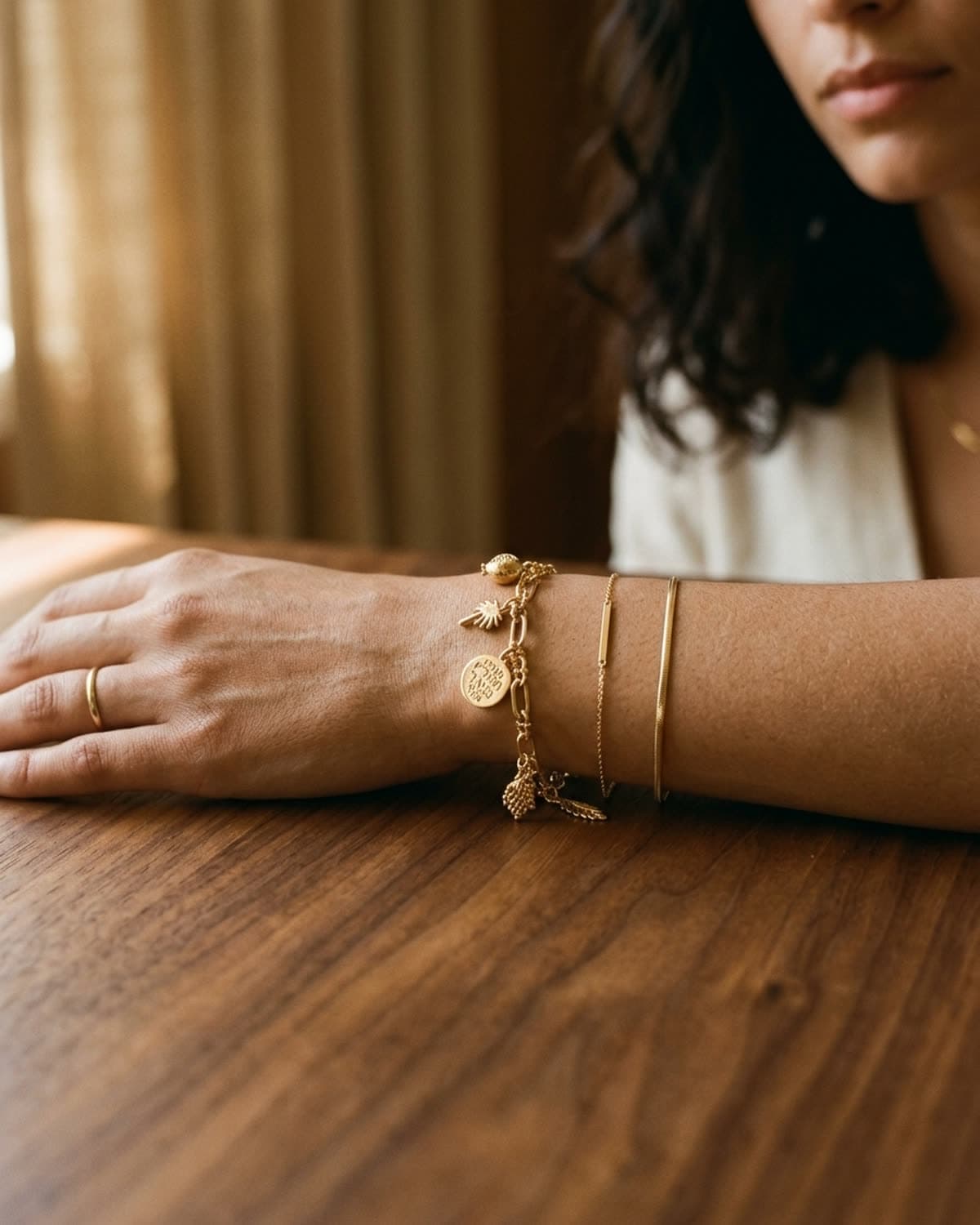
for the maker aesthetic
three studios that read as handmade.
mass-market gloss undersells hand-forged work. these three lean warm, tactile, and human — the register handmade buyers trust.
the default
patina
warm earthy. quiet luxury.
golden hour light, cream linen, oxblood silk. the natural home for hand-forged and demi-fine pieces. if you make it by hand, start here.
for stones & organic work
tide
coastal. salt-air.
bleached limestone, sea haze, sun-faded linen. built for moonstone, pearl, raw stone, and earthy organic settings — where cool studio light kills the glow.
for line sheets
vellum
clean catalog. seller-grade.
warm-white paper, even light, isolated product. the format for a market line sheet or a wholesale catalog — clean, consistent, and stockist-ready.
new to shooting your own work? start with how to photograph jewelry with your phone.
the maker's math
the photo is where your price gets justified.
a handmade piece and a mass-produced one are told apart by two things: the piece in the hand, and the photo online. the buyer only has the photo. if it looks flat and even — like a light-tent documentation shot — the craft that justifies your price simply doesn't transmit.
directional light is what carries it. the hammer texture, the set stone, the hand-finished patina all become visible under light with a direction to it. that's the register a buyer reads as “made by someone,” and it's exactly what a flat even setup erases.
the reason makers don't shoot that way is that lighting a reflective object well is its own craft, and you already have one. bling ai does that part — you keep your hours on the bench, and the photo still looks like you paid for a studio.
questions
maker-specific answers.
ready when you are
give the craft a photo that earns it.
100 free credits. no card needed, and it runs right in your browser.