bling ai
the honest answer to "should i use ai or hire a photographer" is that they're not competing for the same job. one is a creative collaborator you book for a moment that matters; the other is a tool that handles volume at zero marginal cost. the jewelers who do this well use both, for different things. here's how to tell which job is which.
what a photographer is for
you're not really buying photos when you hire a photographer — you're buying a human eye and a few hours of art direction. that's worth real money in specific situations:
- the hero campaign — the flagship image that anchors a brand launch, a press feature, a homepage. a person who can direct light, styling, and mood to a singular vision still beats anything automated for the one shot that has to be perfect.
- a genuinely high-value, one-of-a-kind piece — a signed stone, a bespoke commission, a museum piece. when the item is irreplaceable and the stakes are high, a careful human shoot is worth the cost and the logistics.
- a specific creative concept — an unusual set, a narrative editorial, something that lives in a photographer's head and needs their hands.
the trade-off is cost and friction: day rates, retouching, shipping pieces, scheduling, and revision loops. the full cost breakdown puts real numbers on it, but the short version is tens of dollars per finished image and a turnaround measured in weeks.
what ai is for
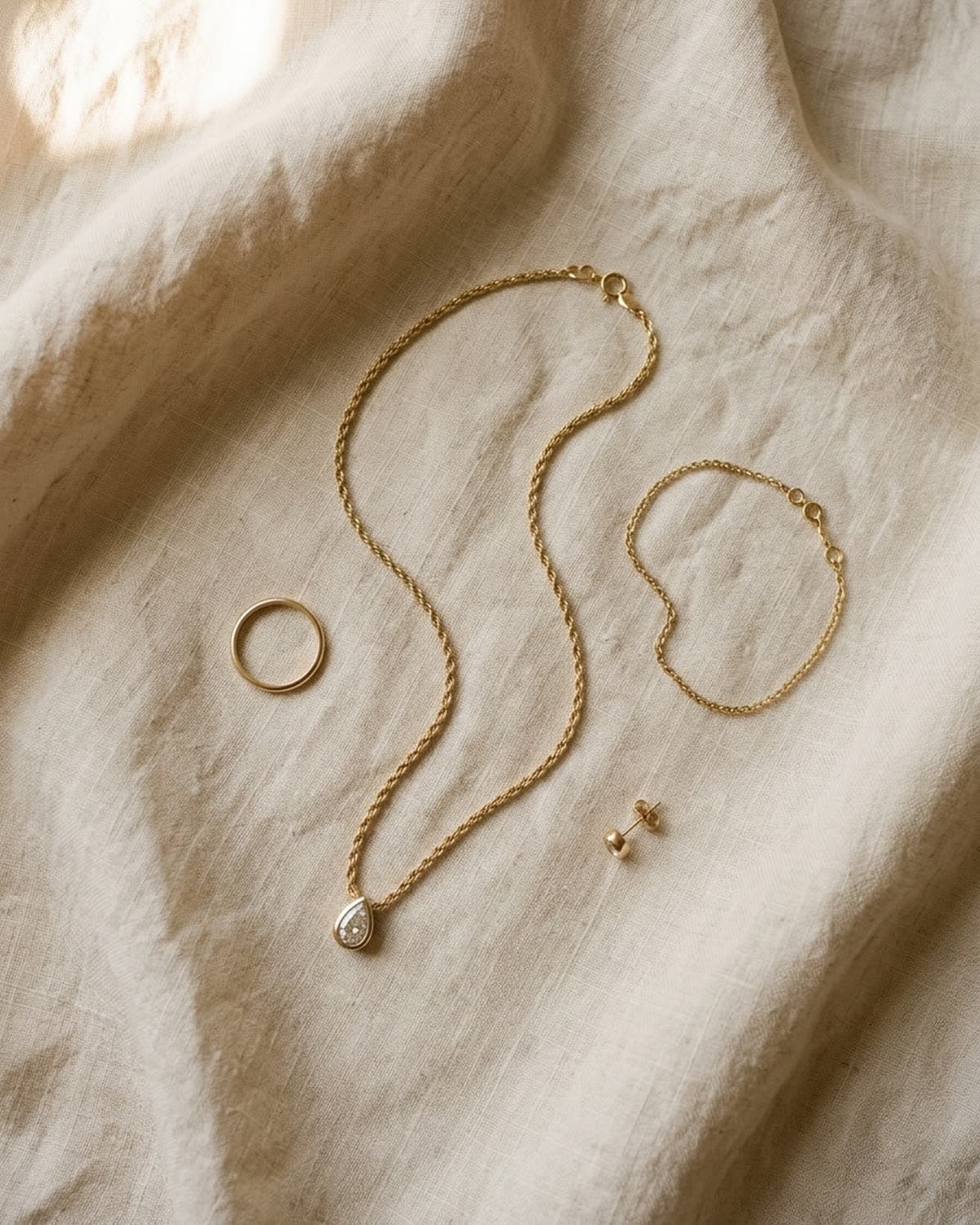
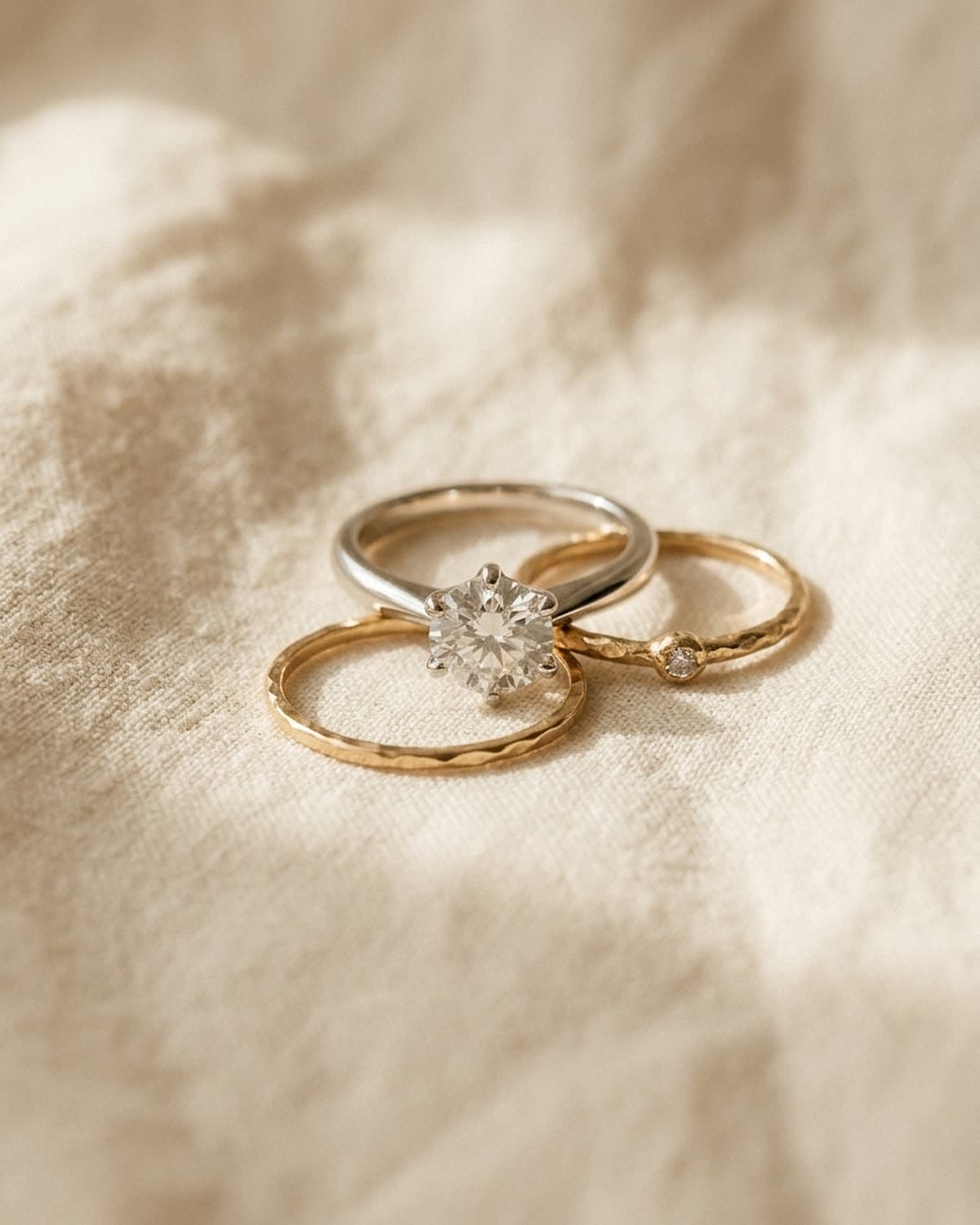
ai jewelry tools changed the economics by removing the per-piece cost. you shoot one phone photo and get editorial, on-model, multi-scene results from it. what that's genuinely good for:
- catalog volume — every piece, every angle, refreshed every season, without a per-piece invoice.
- social and ads — the constant feed of content instagram, tiktok, and pinterest demand, in fresh scenes, without a shoot per post.
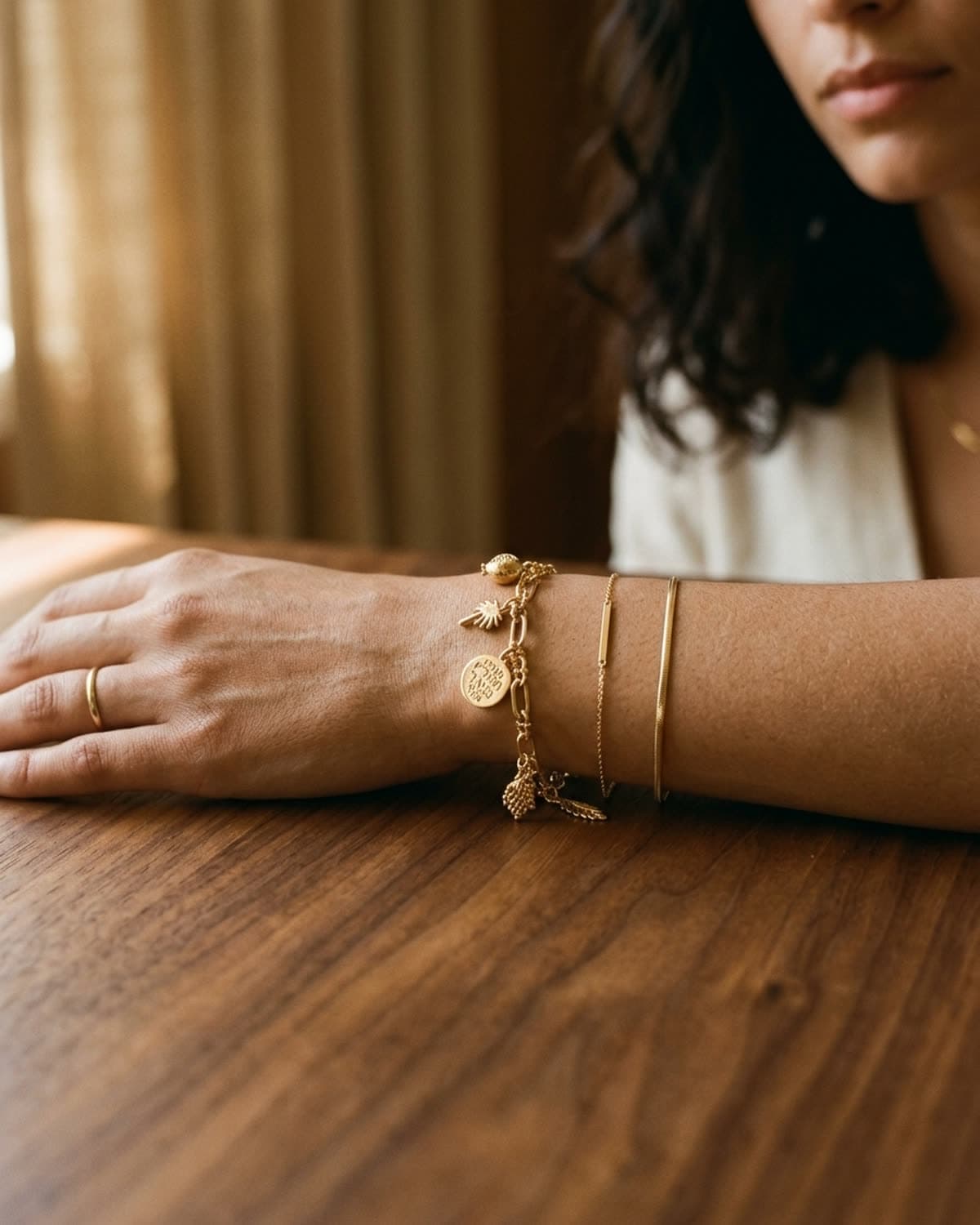
- on-model without models — house models and studios mean you can show a piece worn, at scale, without casting, booking, or a model fee.
- consistency — the same lighting and treatment across hundreds of pieces, which reads as a brand rather than a hobby.
the honest limits: ai works from your source photo, so a careless input gives a weaker result — it's a polishing and staging tool, not a creative director that invents a concept from nothing. and for the rare flagship-perfect shot, a human still has the edge.
hire a photographer for the one shot that defines the brand. use ai for the three hundred shots that run it. they were never the same job.
a way to decide
match the route to the job, not to a budget line:
- a handful of pieces, no rush, no cash → shoot it yourself on a phone. our per-piece guides get you there for free.
- a flagship hero, a press campaign, an irreplaceable piece → hire a photographer. some shots deserve a human.
- a growing catalog, regular new inventory, social to feed → ai, because it's the only route where adding a piece doesn't add a cost or a week.
the hybrid most run
in practice, the split that works for most independent jewelers is simple: ai for the everyday — catalog, social, ads, the constant volume — and a photographer once or twice a year for the campaign that anchors the brand. you stop paying per-image for work that doesn't need a human, and you spend the photography budget where it actually moves the needle.
that's not a compromise. it's just using each tool for the job it's best at.
the shortcut
bling ai is the ai half of that hybrid: one phone photo in, campaign-ready stills and reels out in under a minute, across fourteen studios and a roster of house models, rights included and commercial use allowed. it's free to start, so the easiest way to judge the fit is to run a few of your own pieces through it and see which of your shots still need a human and which never will again.
start creating for free in your browser, or get the iphone app. 100 free credits, no card needed. or browse the showcase — every shot in there began as a single iphone source photo.